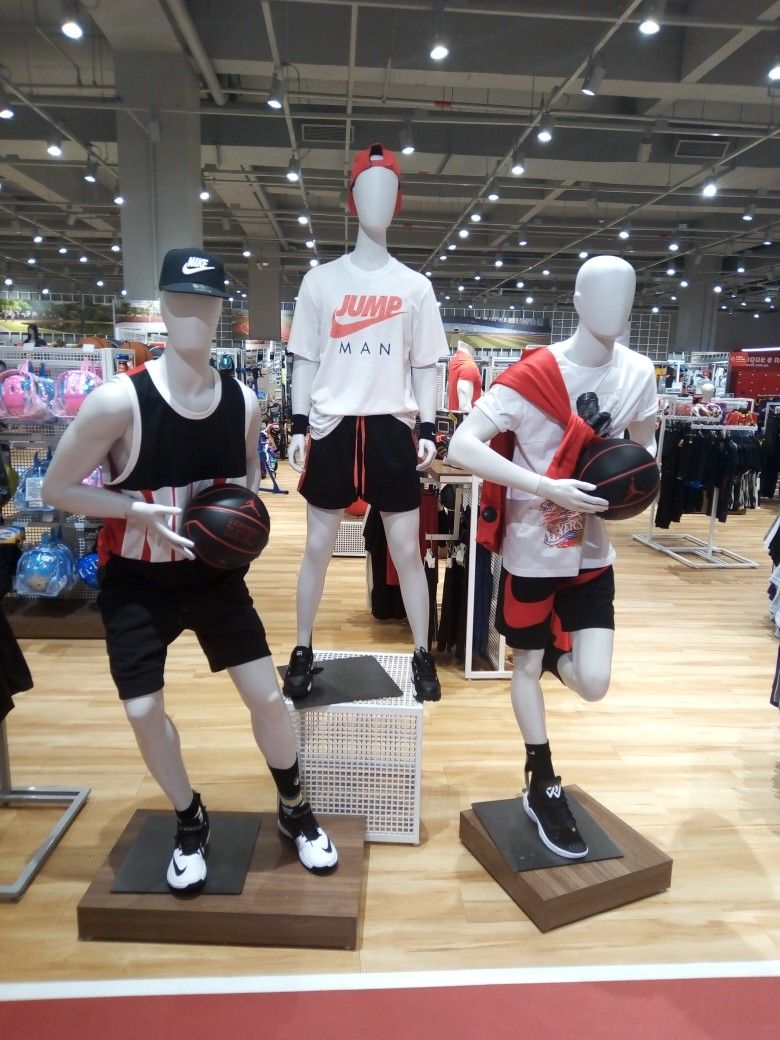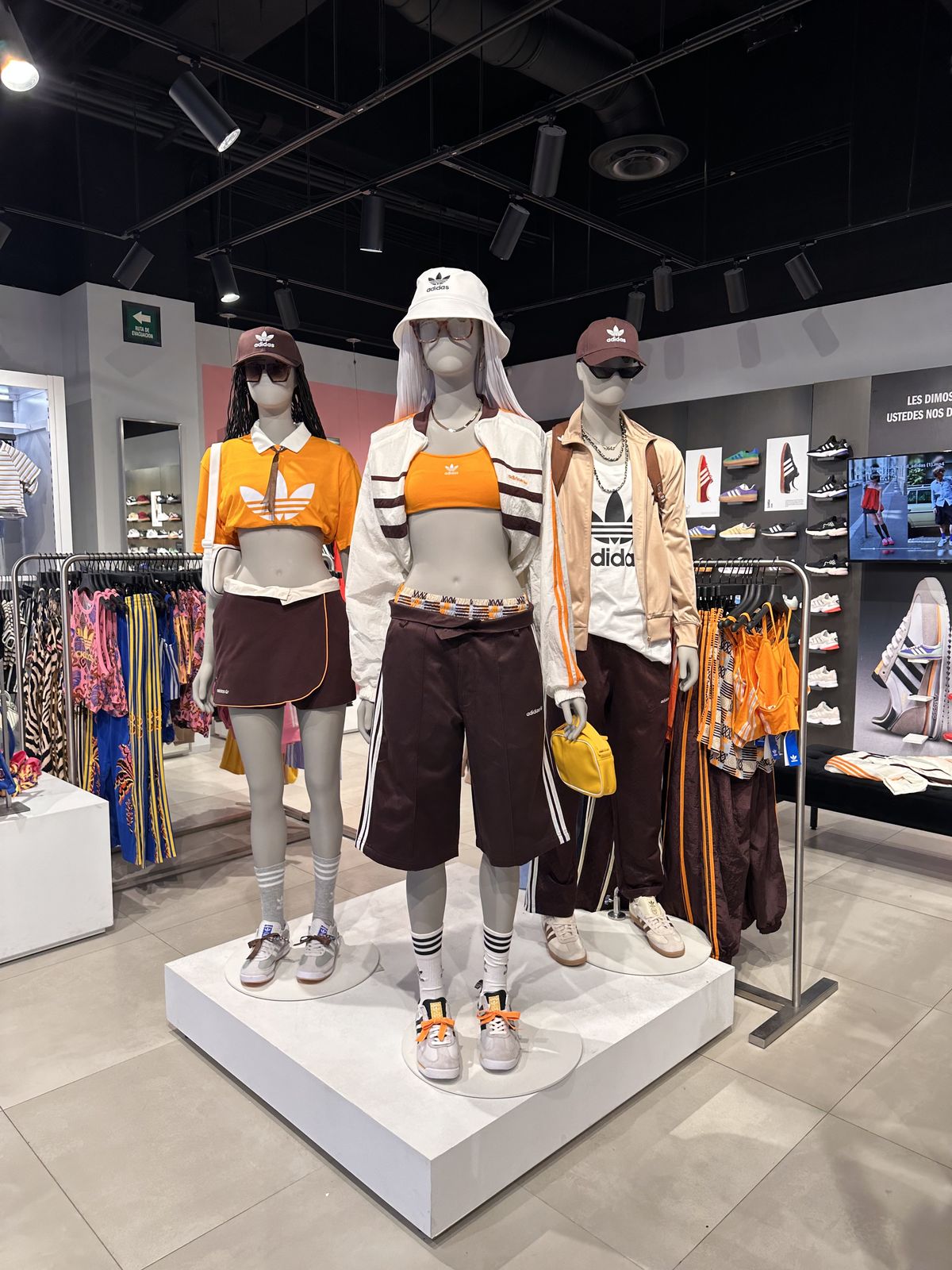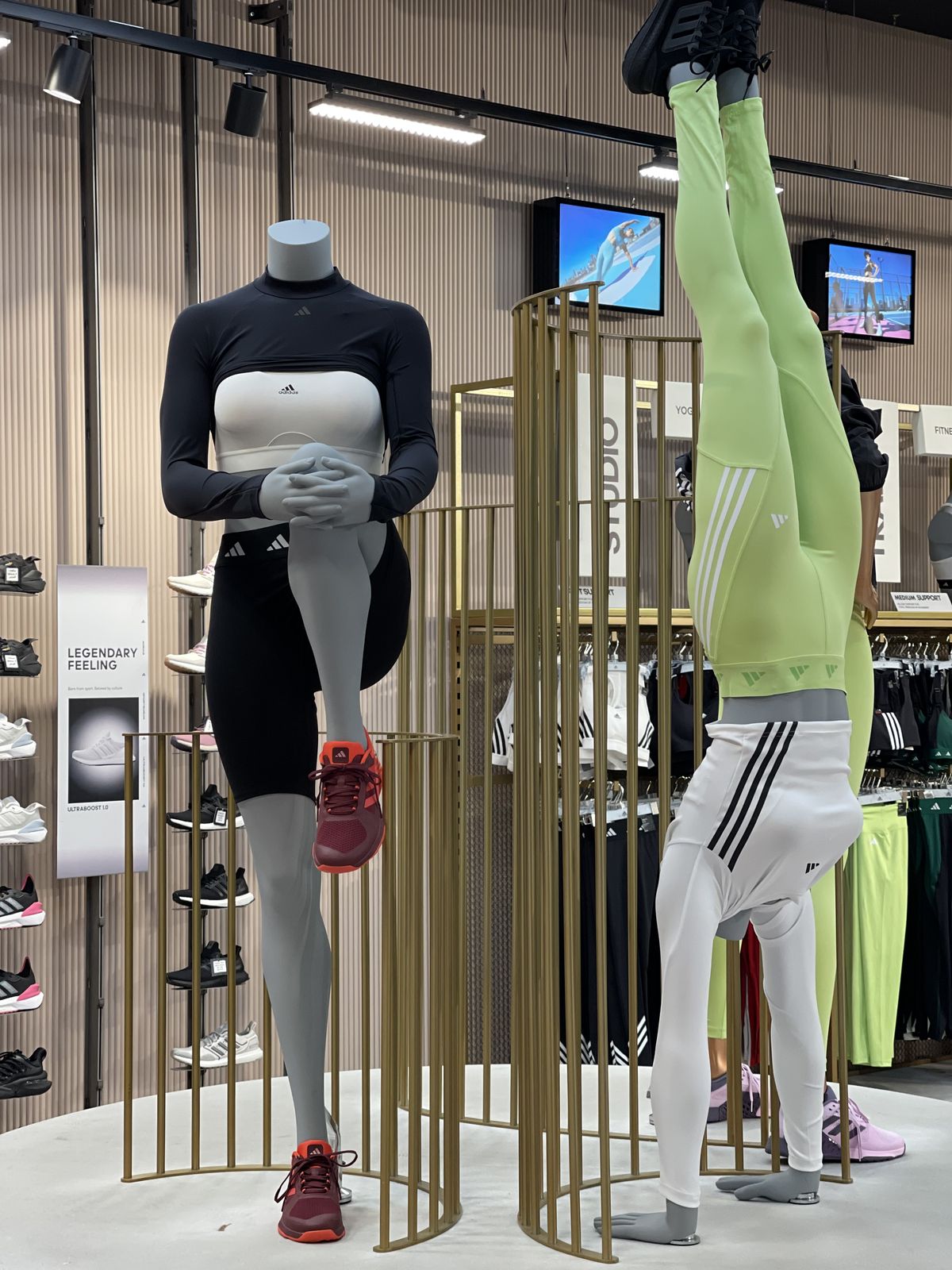

In the choreographed theater of retail, the mall mannequin plays a starring role. A common observation sparks curiosity: why do these figures often appear taller and slimmer than the average person? The answer lies not in an oversight, but in a deliberate design strategy rooted in spatial economics, visual psychology, and brand narrative. This strategic scaling is a universal principle, applied not only to the ubiquitous Female mannequin and Male mannequin but also influencing the proportions of sports mannequins, athletic mannequin displays, and even the aspirational styling of Child mannequins.
Mannequins are engineered as idealised forms, not literal replicas. Their primary function is to act as the perfect canvas for clothing, maximizing visual impact within commercial constraints.
Spatial Optimization & Visual Hierarchy: Retail space is premium real estate. Elongated, slightly scaled-down proportions allow more mannequins to fit into a display area without appearing crowded. This vertical emphasis also creates a clearer visual hierarchy, guiding the customer’s eye upward along the garment's lines. A sleek Female mannequin in a boutique window uses this elongation to create an elegant, aspirational silhouette that makes clothing appear to drape more fluidly.
The Psychology of the Ideal Form: Slimmer, taller proportions align with longstanding, if evolving, cultural ideals of beauty and athleticism. This "aspirational anatomy" makes the displayed fashion feel more desirable. This principle is powerfully active in sports mannequins and athletic mannequin displays, where exaggerated muscular definition and dynamic, extended limbs visualize peak performance and vitality, selling an energetic lifestyle alongside the apparel.
Functional Specialization: Proportion Serving Purpose
Different mannequin categories employ proportional adjustments for specific goals.
Fashion & Editorial Focus (Female mannequin & Male mannequin): These forms often feature extended necklines, longer torsos, and leaner limbs. This "stylized realism" ensures that garments—especially dresses, suits, and coats—hang without unwanted bunching, showcasing cut and fabric flow to perfection. A half-body woman mannequin uses these same elongated lines to highlight the drape of a blouse or the fit of a jacket.
Performance & Action (Sports Mannequins& Athletic Mannequin):Here, proportions may emphasize V-tapers, defined musculature, and exaggerated limb length to capture motion and power. The goal is to visualize the garment in a state of athletic action, making the functionality of the apparel immediately apparent.
Youthful Ideals (Child Mannequins): Even children's mannequins are stylized. They often feature slightly larger heads and eyes relative to body size (a universal "cute" cue) and proportional limbs that suggest playful energy, making the displayed clothing feel fun and lively.
The mall mannequin’s size is a calculated illusion, a tool in the art of commercial persuasion. It is a carefully calibrated blend of spatial necessity, psychological suggestion, and narrative function. Whether it’s the graceful arc of a Female mannequin’s spine, the powerful stance of a Male mannequin, or the dynamic pose of an athletic mannequin, these forms are not meant to mirror reality literally. Instead, they are designed to edit and enhance it, presenting fashion on an idealized stage where every seam, color, and texture is amplified. They are, ultimately, less about representing the average body and more about visualizing the average aspiration, making them an indispensable and cleverly engineered bridge between a garment on a rack and a desire in the customer's mind.