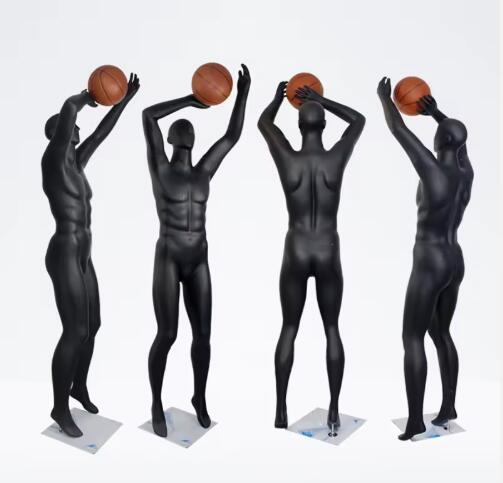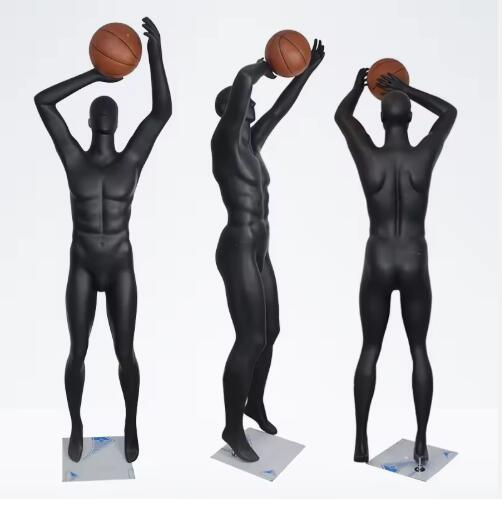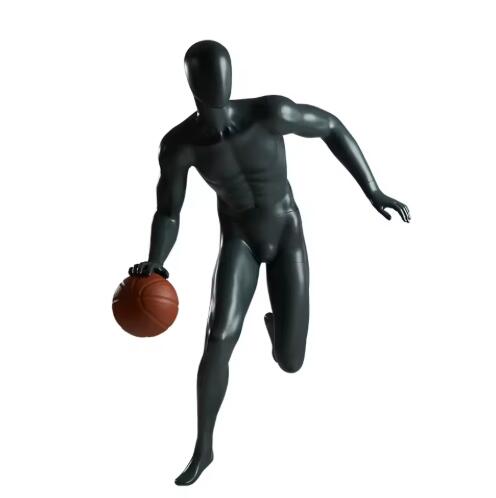

Even with careful handling, mannequins—from classic Female mannequin and Male mannequin displays to dynamic sports mannequins and delicate Child mannequins—can acquire minor cosmetic flaws over time. These small scratches, stains, or discolorations can detract from a premium presentation. Fortunately, several professional-grade restoration techniques can be performed safely at home using common household items, allowing retailers to maintain a flawless display without immediate professional intervention.
1: Micro-Polishing Minor Scratches on High-Gloss Finishes
Superficial scratches on fiberglass or high-gloss finishes, common on the defined surfaces of an athletic mannequin or the sleek limbs of a Female mannequin, can often be diminished effectively.
The Procedure: Apply a small amount of plain white (non-gel, non-whitening) toothpaste directly to the scratch. Using a soft, clean cloth—an old glasses-cleaning cloth is ideal—gently polish the area with moderate, circular pressure for approximately five minutes. The mild abrasive particles in the toothpaste act as a fine polishing compound, filling and buffing the micro-grooves to reduce their visibility.
Precision for Details: For intricate areas, such as around facial features or the joint lines of a Male mannequin, use a cotton swab for controlled application. This ensures the compound works evenly in detailed contours without affecting surrounding areas.
2: Reversing Localized Yellowing from Oxidation
Older mannequins or those stored in less-than-ideal conditions may develop yellowed patches, a particular concern for vintage Female mannequin forms or light-colored Child mannequins.
The Two-Step Chemical Treatment: First, lightly mist the affected area with 75% isopropyl alcohol to disinfect and lift surface grime. Then, create a paste with a 1:3 ratio of baking soda to water. Soak a piece of kitchen paper towel in the paste, apply it to the yellowed spot, and cover it tightly with cling film. This seal allows the baking soda to penetrate and react with the oxidation compounds over several hours. Upon removal, the yellowing should be significantly reduced, restoring a brighter, more uniform appearance.
3: Safely Removing Fabric Dye and Makeup Stains
Color transfer from garments or makeup is a common issue, especially on lighter-toned mannequins.
The Spot-Treatment Protocol: Crucially, always conduct a compatibility test first. Apply a tiny amount of acetone-free nail polish remover to a hidden area (e.g., inside the neck socket) and check for any adverse reaction to the finish.
If safe, lightly dampen a pointed makeup cotton swab with the remover. Gently dab (do not rub) at the center of the stain, allowing the solvent to break down the dye. Use a clean part of the swab as the stain transfers. This patient, blotting method lifts the stain without spreading it or damaging the underlying paint, which is vital for maintaining the pristine look of a sports mannequins display or any premium form.
These accessible repair methods empower store managers and visual merchandisers to take immediate, effective action against common wear. By understanding how to address scratches on an athletic mannequin, yellowing on a classic Male mannequin, or stains on a Child mannequins, retailers can extend the exhibition-ready life of their displays significantly. Implementing these simple yet professional techniques as part of a regular maintenance schedule ensures that every mannequin, from the most robust sports mannequins to the most elegant Female mannequin, continues to present merchandise in the best possible light, protecting both the visual investment and the brand's impeccable image.