

The deceptive lightness of a mannequin—so easy to lift despite its human-like size—hints at the sophisticated engineering and artisanal process behind its creation. This journey from an internal metal skeleton to a hollow, lifelike shell is a masterclass in combining industrial technique with sculptural artistry. The same fundamental principles used to create a classic Female mannequin or Male mannequin are meticulously adapted to produce specialized forms like dynamic sports mannequins, detailed athletic mannequin models, and accurately proportioned Child mannequins. Understanding this process reveals why these display tools are both incredibly lightweight and remarkably realistic.
1: The Anatomical Blueprint – Armature and Sculpting
Every mannequin begins not with its shell, but with its hidden skeleton and defining form.
Engineering the Pose: The process starts with a custom-designed metal armature. This internal skeleton dictates the precise posture, whether it's the elegant stance of a Female mannequin, the powerful posture of a sports mannequins, or the playful pose of a Child mannequins. This armature provides the critical structural support for all subsequent layers.
Sculpting the Form: Master sculptors then build up the anatomical form around this skeleton using clay. Historically, this was done using a live model for hyper-realism. Today, digital scanning often aids this step, but the artisan's eye ensures the final clay "body" possesses the correct muscle tone, proportions, and lifelike curves, be it for a robust Male mannequin or a lean athletic mannequin.
2: The Art of Mould Making – Capturing the Negative
Transforming the unique clay sculpture into a reproducible shell requires precision mould making.
Strategic Segmentation: The clay form is carefully divided into sections (torso, limbs, head) using thin metal shims. This allows for the creation of manageable, multi-part moulds and enables the future production of modular displays like a standalone male mannequin upper body or individual limb displays.
Creating the Master Mould: A layer of plaster is carefully applied over each segmented clay section to create a negative impression. Once set, this plaster "mother mould" is reinforced with a strong fiberglass jacket. The clay is then removed, leaving behind a hollow, detailed cavity that perfectly captures every contour of the original sculpture.
3: Shell Production and Finishing – From Hollow to Whole
The mould now becomes the tool for creating the final, lightweight product.
Laminating the Shell: Inside the clean mould, technicians layer fiberglass matting with resin. This is built up to create a strong, rigid, yet remarkably thin and hollow shell. This lamination process is what gives the finished Female mannequin, Male mannequin, or athletic mannequin its signature lightness and durability.
Assembly and Perfection: The individual fiberglass parts—arms, legs, torso—are removed from the moulds. Seam lines are meticulously sanded away until the surface is flawlessly smooth. The parts are then assembled and primed, creating a seamless whole ready for painting.
The Final Skin: The mannequin is spray-painted, often in a neutral white or beige to serve as a versatile canvas for clothing. For specialized lines like sports mannequins, additional detailing like simulated muscle shading or specific skin tones may be applied to enhance realism.
The creation of a modern mannequin is a symphony where traditional sculpting meets advanced composite material science. This intricate process explains the paradox of its form: a hollow, lightweight shell capable of supporting a heavy garment, meticulously shaped to mimic the weight and presence of a human body. From the initial armature to the final coat of paint, each step—whether for a classic Child mannequins or a cutting-edge sports mannequins—is a testament to the craft of turning an artistic vision into a durable, functional, and essential tool of the fashion trade.

sports mannequins
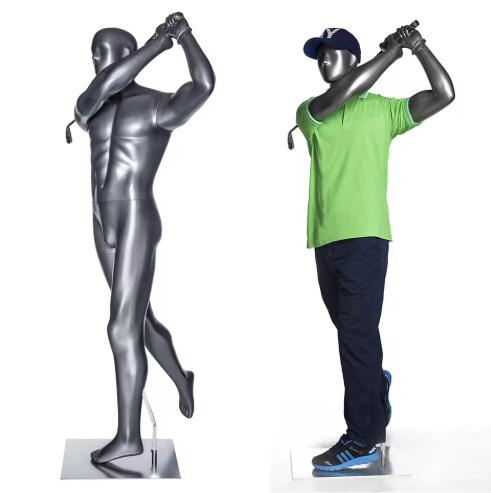
athletic mannequin
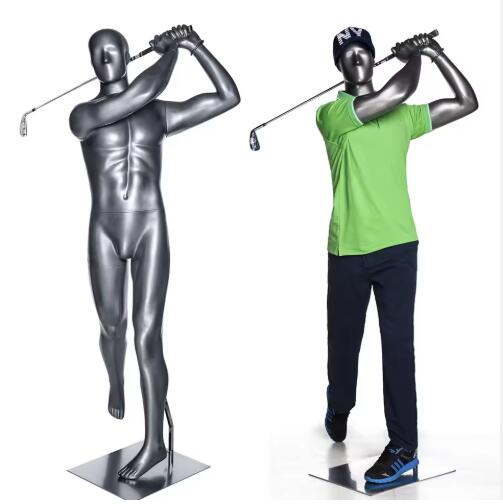
Male mannequin