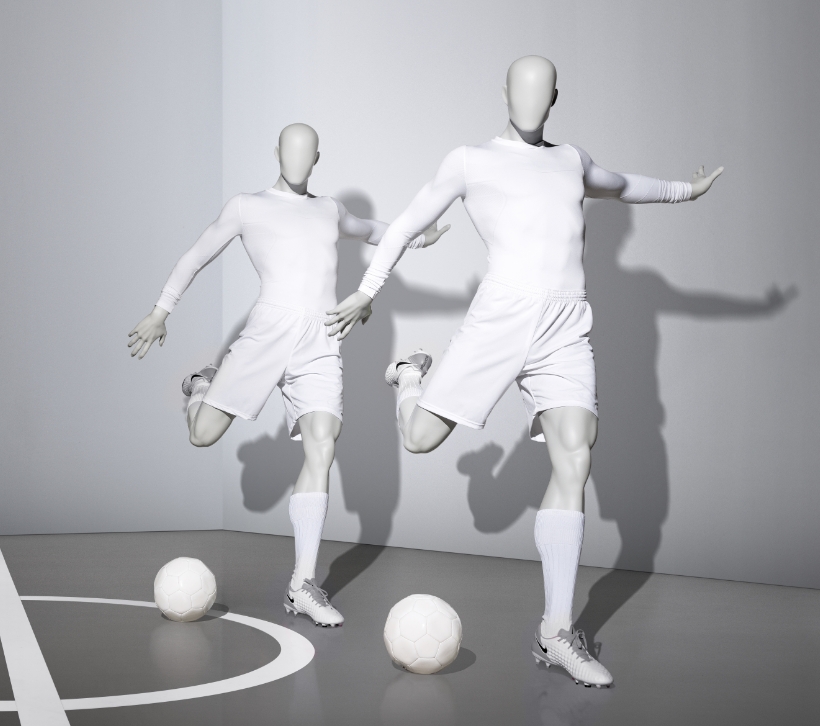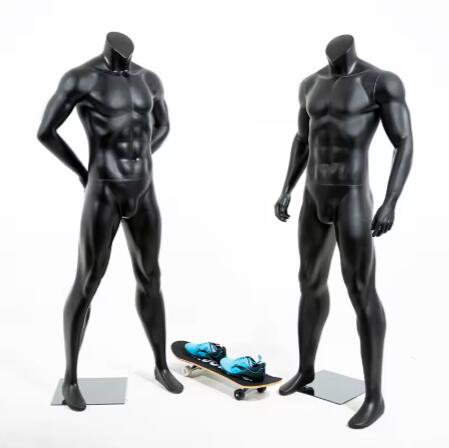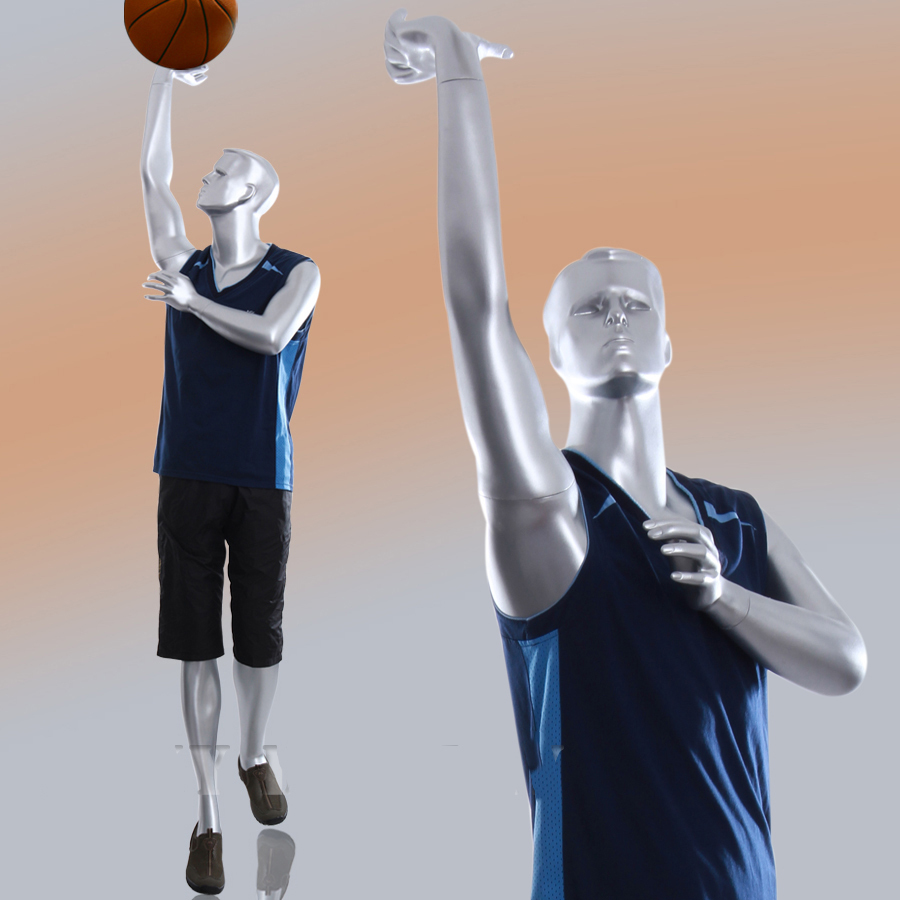

The journey of presenting fashion is a story of moving from flat representation to three-dimensional embodiment. Where once painters struggled to capture the drape of fabric on a static canvas, we now have the mannequin—a sculptural form that breathes life into garments. This evolution is not limited to classic displays; it underpins the entire spectrum, from the elegant Female mannequin and authoritative Male mannequin to the dynamic sports mannequins and specialized athletic mannequin, and even the carefully scaled Child mannequins. These forms are not mere stands; they are the essential interpreters of a garment's true character, translating design into a tangible, aspirational reality.
Prior to the mannequin's refinement, fashion's beauty was constrained to two dimensions. The advent of the three-dimensional form marked a revolution. A fabric torso mannequin, with its soft, yielding surface, allows a garment to fall and crease as it would on a living body, revealing its true silhouette and wearability. This principle of realistic draping is the foundational technology that now enables the athletic mannequin to showcase the tension and stretch of performance wear, and allows a Female mannequin to perfectly present the flow of an evening gown.
Modern mannequins employ materiality to enhance the narrative. A velvet mannequin torso adds a layer of tactile luxury, making even simple garments feel sumptuous. This understanding of material dialogue is crucial across categories. The sleek, often matte finish of a sports mannequins reinforces the technical, high-performance story of activewear. Similarly, the safe, smooth surfaces chosen for Child mannequins ensure the focus remains on playful design and comfort. Each material choice is a silent co-author in the story of the clothing.
The posture of a mannequin is its most powerful voice. A female hanging torso mannequin showcases a garment with gravity-defying elegance, highlighting vertical lines and length. This artistic posing finds its kinetic counterpart in the action-oriented stances of sports mannequins and athletic mannequin displays, which visualize motion and function. Whether it's the confident stance of a Male mannequin in a tailored suit or the playful pose of a Child mannequins, the angle of a hip or tilt of a shoulder communicates an entire attitude about the brand and the lifestyle it represents.
As Coco Chanel noted, style is eternal, and the mannequin is its most consistent physical ambassador. It has evolved from a simple display tool into a sophisticated bridge connecting a designer's vision to a consumer's imagination. By giving form to fabric—whether on a classic Female mannequin, a robust Male mannequin, or a kinetic athletic mannequin—it performs an essential act of translation. It turns static sketches into living possibilities, technical fabrics into visible benefits, and seasonal trends into enduring style statements. In doing so, the mannequin ensures that the beauty and intent of clothing are not just seen, but felt and understood, securing its place as an indispensable artist in the timeless theater of fashion.