
For apparel brands competing on the global stage, success hinges on more than translating a website or adjusting a marketing slogan—it requires a profound, three-dimensional understanding of the consumer. A critical yet often underestimated component of this localization strategy is the customization of mannequins. These silent ambassadors must do more than hold clothes; they must embody the specific physicality, cultural posture, and aesthetic ideals of their regional audience. This analysis explores how anatomical data and cultural nuances directly inform the strategic selection and customization of Female mannequin, Male mannequin, Child mannequins, and specialized forms like athletic mannequin and sports mannequins to achieve authentic market resonance.
East Asia: Precision in Proportion and Posture
Physical & Cultural Context: Characterized by relatively smaller, slender statures and a cultural appreciation for meticulous detail and fitted elegance.
Mannequin Strategy: Here, generic Western forms fail. The Female mannequin and Male mannequin must be recalibrated to reflect regional height averages and slimmer shoulder-to-hip ratios. Postures are often more upright and poised, emphasizing the clean lines and precise tailoring of the garments. For activewear, an athletic mannequin would be designed with a leaner, more streamlined musculature compared to its Western counterpart, aligning with local ideals of agile strength rather than bulk.
Southeast Asia: Embodying Comfort and Cultural Identity
Physical & Cultural Context: A region with lower average heights, a hot-humid climate driving a preference for loose, breathable fabrics, and diverse cultural aesthetics.
Mannequin Strategy: Mannequins must first reflect the region's physique. This means scaling down both Male mannequin and Female mannequin sizes authentically. Beyond size, the posture and "attitude" of the mannequin are key—poses should suggest ease and comfort, showcasing how loose-fitting garments flow on the body. For children's wear, Child mannequins would be proportioned to local specs, often in playful poses that resonate with regional family-centric marketing. This culturally-attuned representation builds immediate visual trust with the consumer.
The Nordic Region: Sculpting for Stature and Function
Physical & Cultural Context: Defined by taller average heights, balanced, athletic builds, and a cultural ethos that values functionality, minimalism, and outdoor living.
Mannequin Strategy: Off-the-shelf mannequins are often too short. Customization requires scaling up Female mannequin and Male mannequin heights significantly while maintaining the region's characteristic balanced proportions—broader shoulders and longer limbs. The aesthetic is one of confident, understated strength. For performance brands, sports mannequins here might showcase cross-country skiing or hiking poses, with an emphasis on functional apparel in action, reflecting the local lifestyle.
The Athletic Niche: A Universal Language with Local Dialects
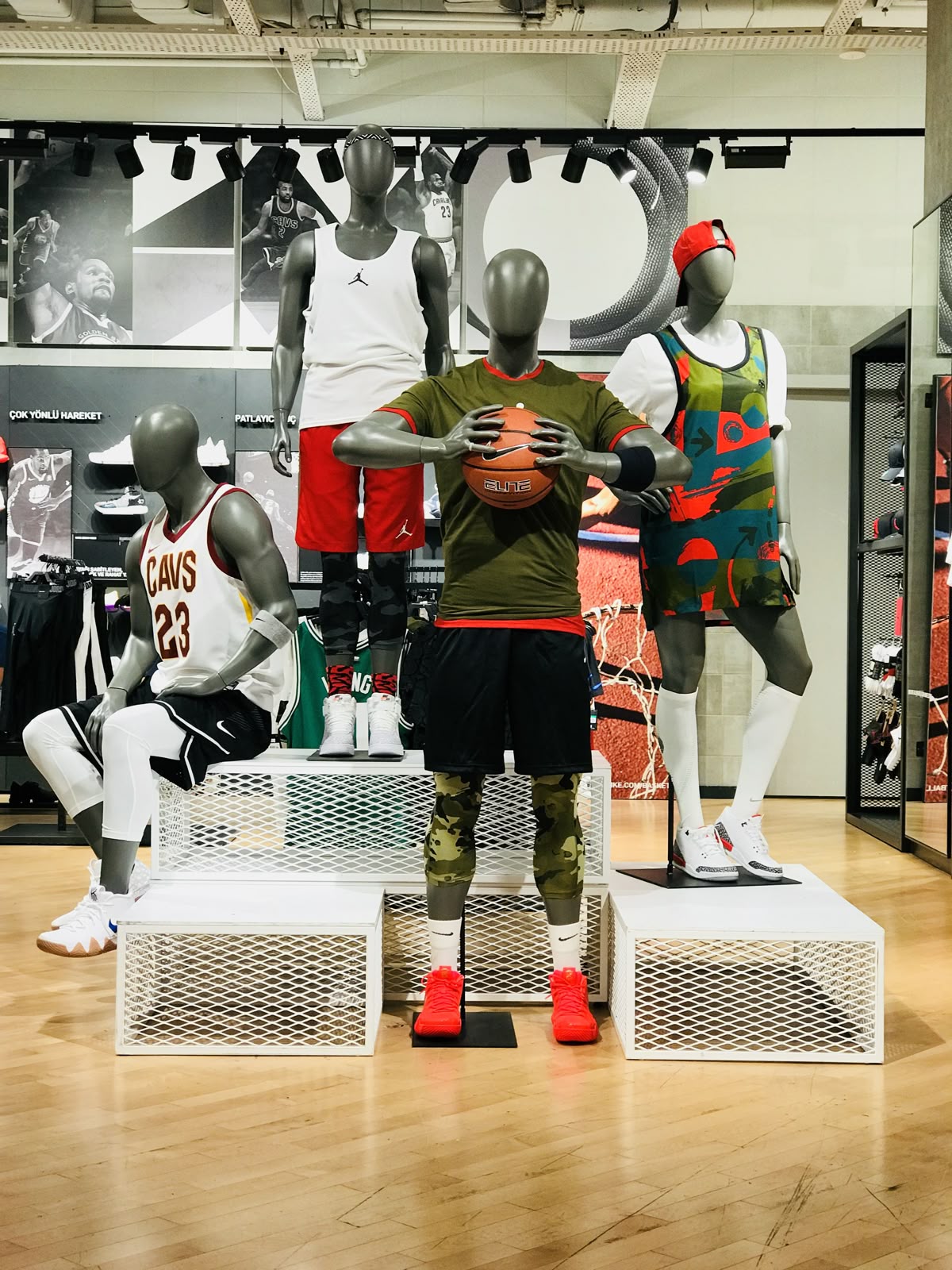
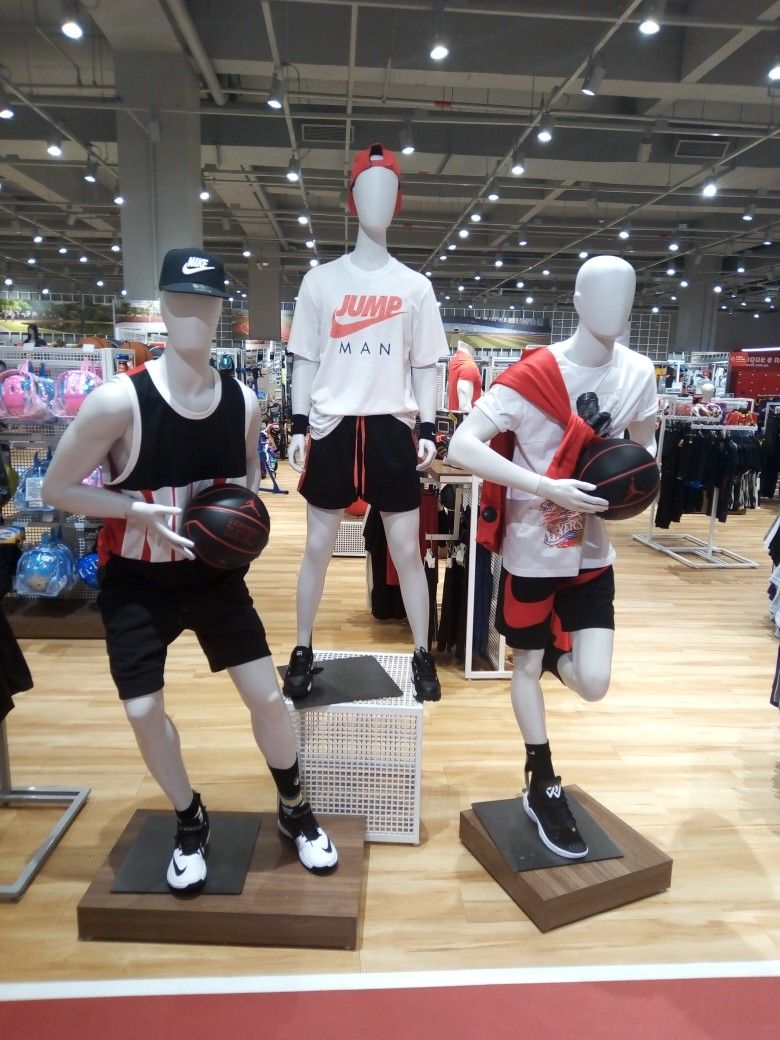
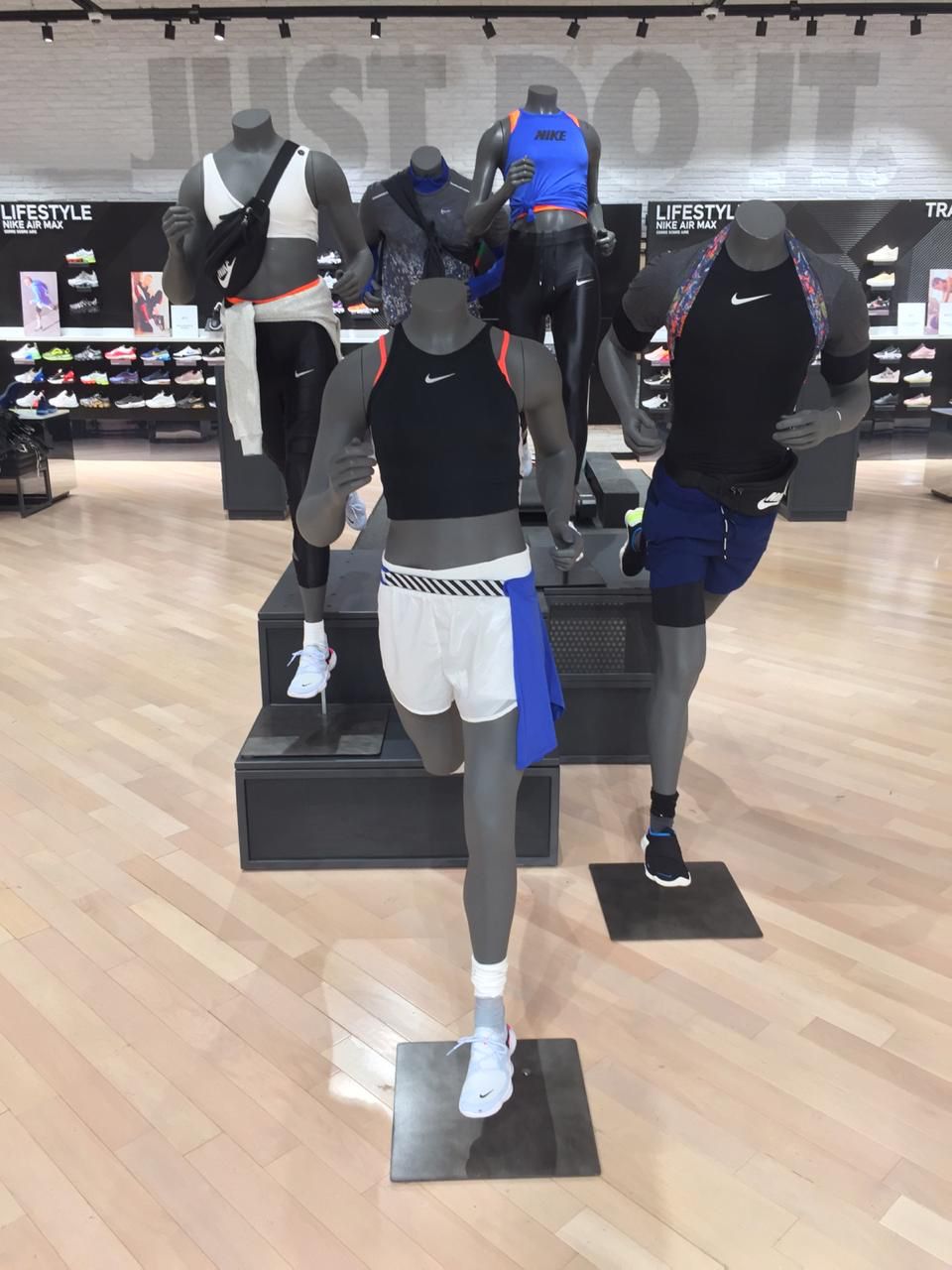
The demand for athletic mannequin displays offers a fascinating case study in globalization. While the language of sport is universal, its physical ideal is not.
A sports mannequin in North America might emphasize more pronounced muscular definition.
The same product category in Japan might focus on efficient, lean muscle tone and technical precision in the pose.
Child mannequins for sportswear must also be localized, reflecting not just size but the popular youth sports and activities of the region.
Acustomized mannequin is a data point made physical. It is the synthesis of anthropometric statistics, climate considerations, and deep cultural preference. By investing in region-specific Female mannequin, Male mannequin, and Child mannequins forms—and tailoring even specialized sports mannequins to local athletic ideals—brands move beyond mere translation to true embodiment. This strategic localization fosters instant recognition and trust, telling the consumer, "This brand understands me." In a crowded global marketplace, that connection, forged at the point of display, is a powerful and often decisive competitive advantage.