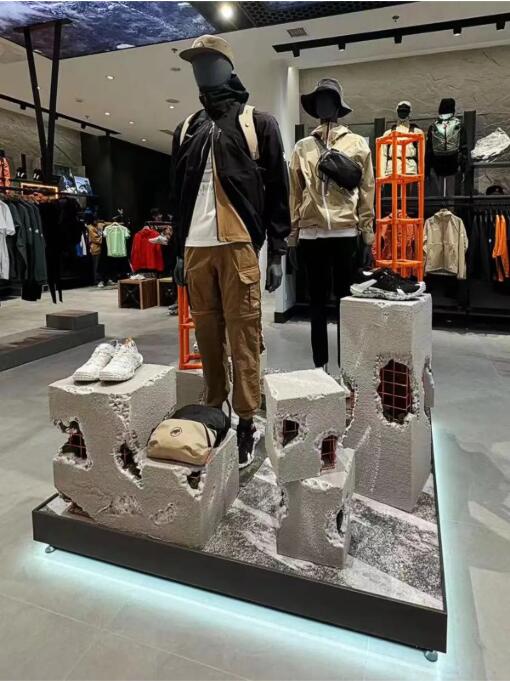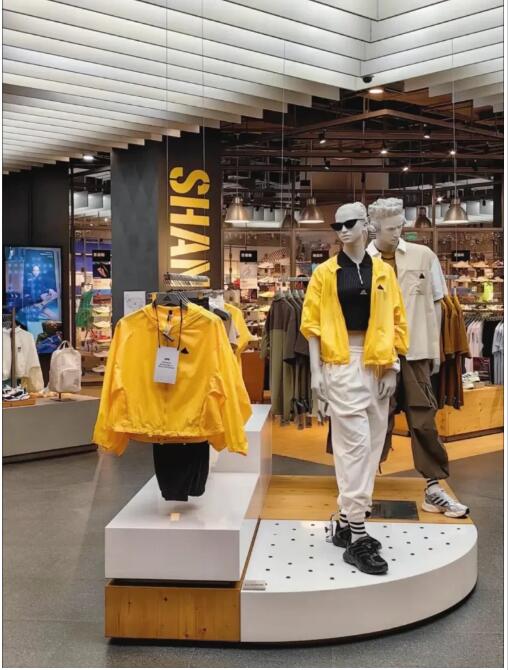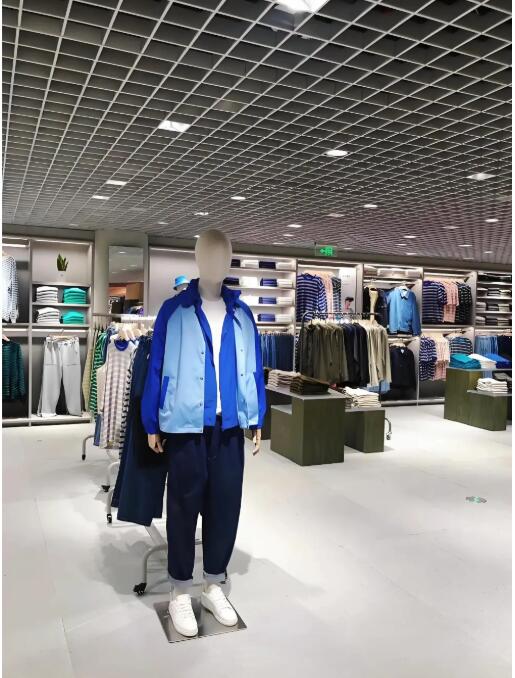

In today's competitive urban retail landscape, sports mannequins have evolved far beyond static display tools into dynamic brand ambassadors that shape consumer behavior and redefine retail spaces. As cities become hubs of experiential commerce, the strategic deployment of athletic display models represents a sophisticated fusion of biomechanical art, retail psychology, and urban marketing intelligence. These specialized mannequins don't merely present products—they animate brand narratives within the concrete fabric of urban environments, creating immersive brand ecosystems that resonate with the contemporary consumer's active lifestyle.
The Psychology of Motion in Urban Retail Spaces
Modern retail psychology confirms that dynamic displays generate significantly higher engagement than static presentations. Within bustling urban centers where consumers face sensory overload, a well-executed athletic mannequin becomes a visual oasis that commands attention through implied motion and aspirational posture. Research indicates that displays featuring action-oriented poses increase dwell time by approximately 37% compared to traditional standing poses, directly correlating with higher conversion rates. The running mannequin, for instance, with its forward-leaning dynamism and precise anatomical articulation, doesn't just display athletic wear—it performs a sophisticated visual narrative about performance, determination, and urban energy that subconsciously influences purchasing decisions.
Technological Integration and Interactive Engagement
The most advanced urban retailers now integrate smart technologies with their fitness mannequins to create multisensory brand experiences. These enhanced displays utilize:
1、Augmented Reality Interfaces: Shoppers can scan QR codes near specialized athletic female mannequin displays to access exclusive content about fabric technology, athlete testimonials, or virtual try-on features, bridging physical and digital shopping experiences.
2、Dynamic Lighting Systems: Programmable LED arrays highlight muscle definition on sports mannequins, creating evolving visual presentations that change throughout the day to maintain freshness and intrigue.
3、Sensor-Activated Content: Proximity sensors trigger relevant audio or visual content when customers approach athletic mannequin displays, providing context about performance features or suggesting complementary items.
Urban Contextualization and Cultural Resonance
Successful urban marketing with athletic display models requires sophisticated contextual adaptation. A running mannequin in Manhattan might embody different characteristics than one in Berlin or Tokyo, reflecting each city's unique athletic culture and aesthetic preferences. This localization extends to:
Architectural Integration: Designers strategically position fitness mannequins to complement architectural elements, sight lines, and traffic patterns within flagship stores
Cultural Timing: Display rotations synchronize with urban events—marathon seasons, fitness festivals, or local athletic competitions—maximizing relevance and emotional connection
Community Representation: The athletic female mannequin increasingly reflects diverse body types, ethnicities, and athletic specialties relevant to specific urban demographics, fostering inclusive brand identification
Data-Driven Display Optimization
Progressive retailers employ analytics to refine their mannequin strategies:
Heat Mapping: Tracking customer interaction with sports mannequins reveals optimal positioning and pose effectiveness
A/B Testing: Comparing sales performance between different athletic mannequin configurations identifies highest-converting presentations
Seasonal Adaptation: Display rotations based on urban climate patterns and activity seasons maintain relevance and freshness
Sustainability and Urban Identity
Contemporary urban consumers increasingly value sustainable practices, influencing how fitness mannequins are produced and presented:
Modular Design: Interchangeable components allow running mannequin displays to adapt without complete replacement
Local Production: Reducing transport emissions through urban manufacturing partnerships
Recyclable Materials: Advanced polymers used in athletic female mannequin production support circular economy initiatives
The Future Urban Retail Landscape
As retail continues evolving, sports mannequins will increasingly serve as:
Data Collection Points: Gathering anonymous consumer behavior metrics
Community Hubs: Featuring integrated charging stations or hydration points near athletic displays
Brand Story Platforms: Utilizing projection mapping to transform athletic mannequin displays into dynamic storytelling canvases
Strategic Implementation Framework
For retailers seeking to maximize urban impact:
1、Audit Existing Displays: Assess current fitness mannequins against urban demographic data
2、Develop Motion Narratives: Create signature poses for running mannequin displays that communicate specific brand values
3、Integrate Technology Layers: Plan phased implementation of AR/VR enhancements
4、Train Visual Merchandising Teams: Specialized knowledge about athletic female mannequin styling and positioning
5、Establish Measurement Protocols: Define KPIs for display effectiveness beyond simple sales metrics
The transformation of urban retail through specialized athletic mannequins represents more than visual merchandising evolution—it's a fundamental reimagining of how brands inhabit and interact with urban environments. These sophisticated tools create living brand ecosystems that engage, inspire, and convert the modern urban consumer through a powerful combination of anatomical authenticity, technological innovation, and psychological insight.