
The Dynamic Evolution of Display Technology
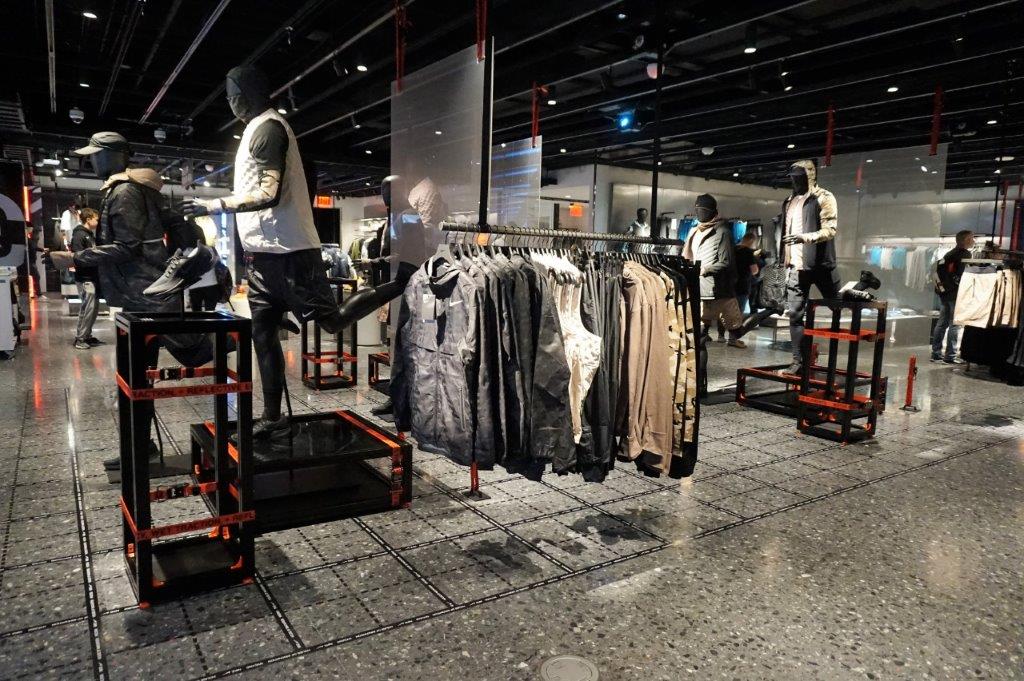
Th global mannequin market is undergoing a profound transformation, driven by intersecting trends in sustainability, digital innovation, and hyper-personalization. Nowhere is this evolution more visible than in the specialized segment of sports mannequins, where form must meet unprecedented functional and aesthetic demands. These trends are not merely altering manufacturing specifications; they are redefining how athletic brands communicate performance, ethos, and innovation in retail environments. For manufacturers and brands alike, understanding these shifts is critical to capturing market share and connecting with the modern, values-driven consumer.
1. Sustainable Engineering: The New Performance Standard
The demand for environmental responsibility has fundamentally changed material science in mannequin production. Today's leading athletic mannequin is as likely to be praised for its composition as its pose. Brands are increasingly sourcing models made from advanced recycled polymers, bio-based resins, and even upcycled ocean plastics. This shift is particularly resonant in the athletic sector, where the consumer demographic is highly attuned to corporate sustainability practices.
For manufacturers, this means re-engineering for durability without compromise. A high-performance running mannequin must now maintain its dynamic balance and surface integrity while being crafted from 30-50% post-consumer materials. The industry response has been innovative: developing new composite materials that offer the necessary weight, finish, and structural strength for action-oriented poses. The lifecycle of these fitness mannequins is also extending, with modular designs allowing for part replacement instead of full disposal, aligning with the circular economy principles valued by major sportswear brands.
2. The Intelligence Embedded in Form: Smart Mannequins
The integration of technology has moved beyond static form into interactive experience. Smart sports mannequins are emerging as sophisticated retail hubs. Imagine an athletic female mannequin configured in a climber's pose: embedded sensors detect approach, activating ambient lighting that highlights muscle groups relevant to the activity, while a discreet screen offers data on the moisture-wicking properties of the displayed apparel.
This technological integration serves multiple purposes:
Data Collection: Anonymous analytics on engagement time and customer demographics.
Enhanced Storytelling: Lighting and sound can evoke specific environments—a trail run, a gym session, a yoga studio.
Seamless Commerce: NFC tags or QR codes enable immediate access to detailed product information, inventory checks, or even direct mobile purchasing.
For a running mannequin, this might mean simulating different terrains or times of day through projected visuals, creating an immersive narrative around the product.
3. Digital Integration: Blending Physical and Virtual Realms
Augmented Reality (AR) and Virtual Reality (VR) are moving from novelty to necessity. The role of the physical athletic mannequin is evolving to become an anchor point for digital exploration. Shoppers can use their smartphones to scan a fitness mannequin and instantly see:
The same apparel in different colors or patterns.
The garment in motion on a digital avatar.
Technical animations showing fabric technology, like thermoregulation or muscle support.
This hybrid approach is especially powerful for specialized sports mannequins, where the functionality of apparel is as important as its style. It bridges the gap between the inspirational in-store display and the practical information needed for a confident purchase decision.
4. The Customization Imperative: Beyond One-Size-Fits-All
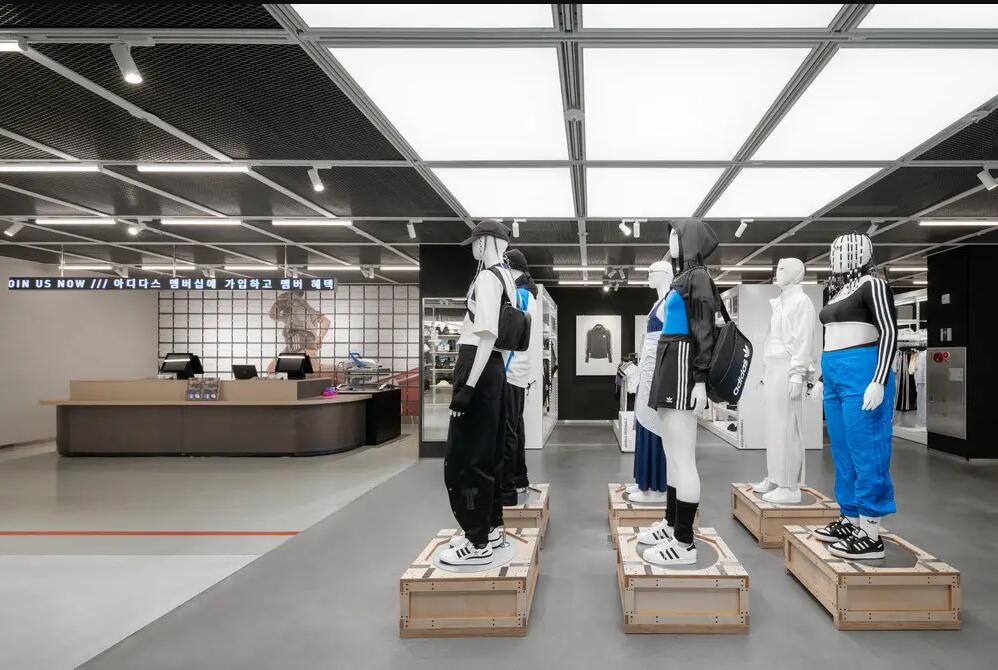
The trend toward personalization has exploded. Brands no longer want generic athletic forms; they demand athletic female mannequin lines that reflect specific body types, ethnicities, and athletic disciplines. This shift towards substantiated design acknowledges diversity in sport and empowers a wider range of consumers to see themselves in the brand story.
Customization now operates at multiple levels:
Physiological Accuracy: Mannequins representing different athletic builds—a swimmer's shoulders versus a marathoner's leanness.
Pose Specificity: Creating proprietary, brand-signature poses that communicate unique values, like agility, strength, or mindfulness.
Brand Alignment: From skin tone and facial features to the styling of hair, every element can be tailored to harmonize with a brand's visual identity and target audience.
This trend elevates the mannequin from a display prop to an essential component of brand equity.
5. Visual Marketing in the Omnichannel Era
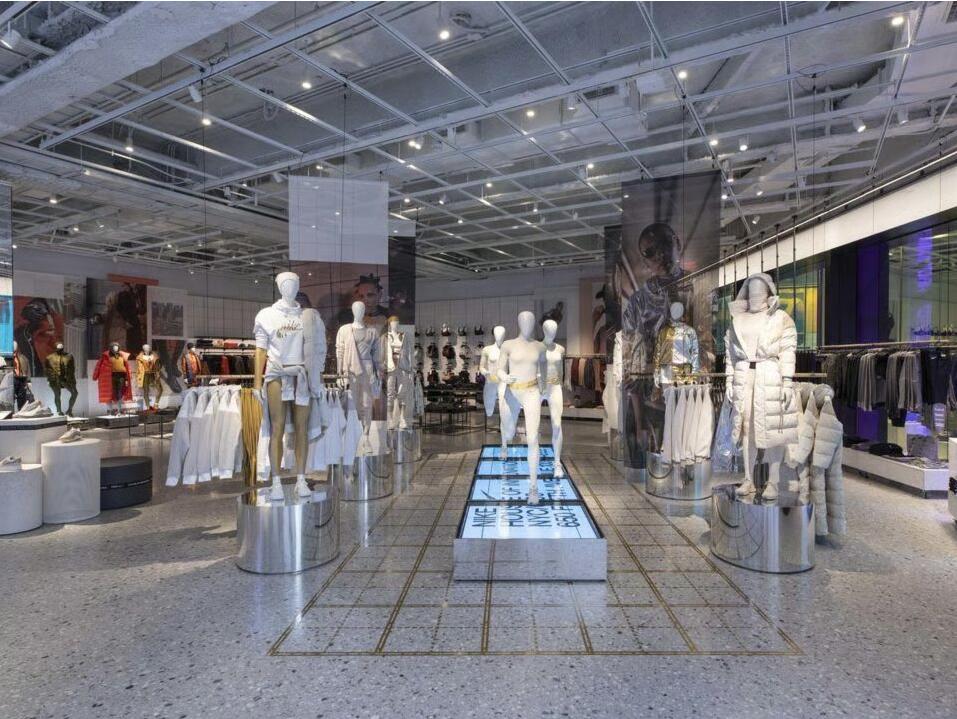
In an age of online shopping, the physical retail space must justify its existence through experience. The athletic mannequin is central to this strategy. Creative, dynamic displays featuring running mannequin or fitness mannequins in aspirational, story-driven scenarios are designed specifically for social media sharing, turning the store window into a content studio.
Visual marketing now requires:
Thematic Agility: Quickly updating displays to align with seasonal campaigns, athletic events, or social trends.
Photographic Optimization: Designing poses and lighting with smartphone cameras and social media platforms in mind.
Seamless Integration: Ensuring in-store displays visually and thematically connect with concurrent digital advertising campaigns, creating a unified brand message across all touchpoints.
The Future is Adaptive and Experiential
The trends impacting the mannequin market converge on a single point: the move from passive object to active brand participant. The future belongs to adaptive, intelligent, and sustainable sports mannequins that do more than hold clothing. They will educate, engage, and inspire. They will be crafted responsibly and designed inclusively. For forward-thinking brands, investing in these next-generation display solutions is not an expense in visual merchandising; it is an investment in brand relevance, customer connection, and retail innovation in an increasingly competitive landscape. The evolution of the athletic female mannequin from a simple form to a sophisticated brand interface exemplifies this exciting journey, setting a new standard for how products are presented and experienced worldwide.