
Mannequins are far more than just silent shop assistants—they are foundational tools in visual merchandising, fashion design, and retail planning. Whether you're a boutique owner, a window display artist, or a home seamstress, understanding the different types of mannequins is key to achieving your goals. This guide explores the core categories, including female mannequins, male mannequins, children mannequins, the specialized dress mannequin, and the versatile dressmakers dummy.
The Role of Mannequins in Fashion and Retail
At their core, mannequins serve three main purposes: presentation, fit, and form. In retail windows and floors, they bring clothing to life, suggesting movement and style to inspire customers. In design studios and tailors' workshops, they provide a consistent three-dimensional form for creating and altering garments. The evolution of the mannequin reflects fashion history itself, changing in posture, size, and realism with the times.
Exploring the Five Key Types of Mannequins
1. Female Mannequins
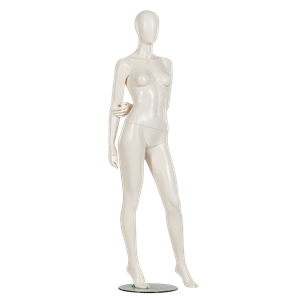
Female mannequins are the most ubiquitous in the fashion world. Designed to showcase womenswear, they come in a vast array of poses, finishes (from abstract to hyper-realistic), and sizes to align with a brand's identity. Modern retailers are increasingly using diverse female mannequins that reflect a broader range of body types, promoting inclusivity. They are essential for displaying everything from casual wear to haute couture, making them a staple in department stores and independent boutiques alike.
2. Male Mannequins
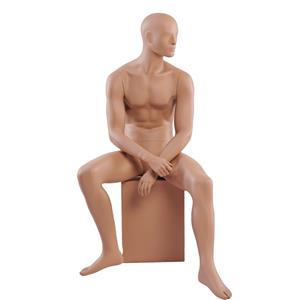
Male mannequins are crafted to highlight the structure and fit of menswear. They typically have broader shoulders and a less curvy torso than their female counterparts. The styling of male mannequins often aims to convey attitude—from formal and powerful to relaxed and casual. Their poses are generally less dynamic than female ones, but contemporary designs are breaking this mold with more active and engaging postures.
3. Children Mannequins
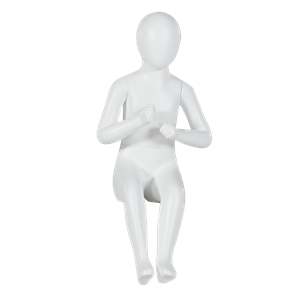
Children mannequins inject charm and playfulness into retail spaces. They are scaled-down versions, often found in joyful, active poses like running or jumping to appeal to both kids and parents. Using children mannequins effectively requires an understanding of child proportions, which differ significantly from adults. They are crucial for presenting kids' fashion lines in an appealing and relatable way.
4. Dress Mannequin
The term dress mannequin often refers specifically to a torso form used primarily for displaying finished garments, particularly dresses, gowns, and tops. A dress mannequin usually includes a bust and waist down to the hips, sometimes with a stand. It is a key tool for retailers and photographers who need to present a garment's silhouette and details without the full human form. The dress mannequin is all about elegant presentation.
5. Dressmakers Dummy
A dressmakers dummy (or dress form) is the practical workhorse of the sewing room. This adjustable torso is padded and often marked with seam lines, allowing designers and tailors to draft, pin, fit, and alter garments directly on the form. Unlike a static display mannequin, a high-quality dressmakers dummy can be adjusted to match specific client measurements, making it indispensable for custom clothing creation. It's the bridge between a flat pattern and a perfectly fitted garment.
Choosing the Right Mannequin for Your Needs
Selecting between a display-focused dress mannequin and an adjustable dressmakers dummy depends on your primary goal: presentation versus creation.
For Retail Display: Consider female mannequins, male mannequins, or children mannequins that match your brand's aesthetic and target customer. A realistic dress mannequin might be perfect for a bridal shop.
For Design & Tailoring: An adjustable dressmakers dummy is non-negotiable. For those making children's clothing, a scaled-down form is essential.
From the sophisticated female mannequins in a high-end boutique window to the well-pinned dressmakers dummy in a designer's atelier, these forms are integral to the fashion ecosystem. Male mannequins sell a lifestyle, children mannequins capture joy, and the specialized dress mannequin highlights craftsmanship. Understanding their distinct roles helps anyone in the realm of fashion make informed decisions, ensuring that the right form is always serving the perfect purpose.