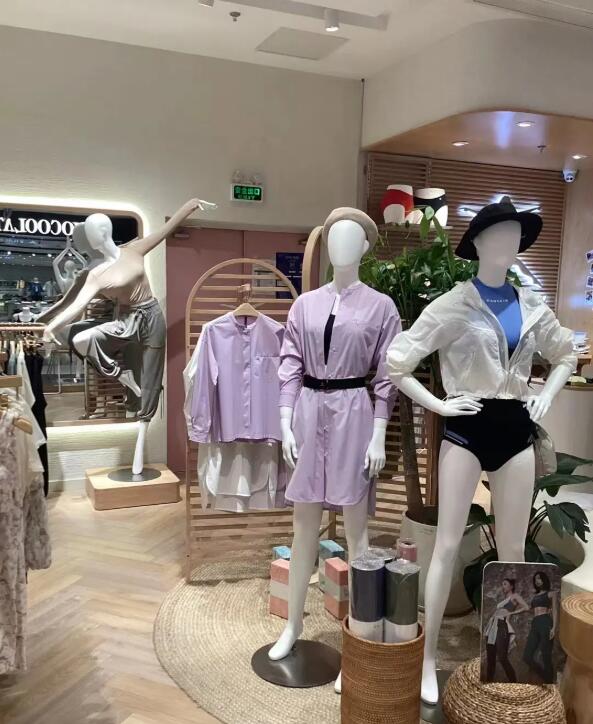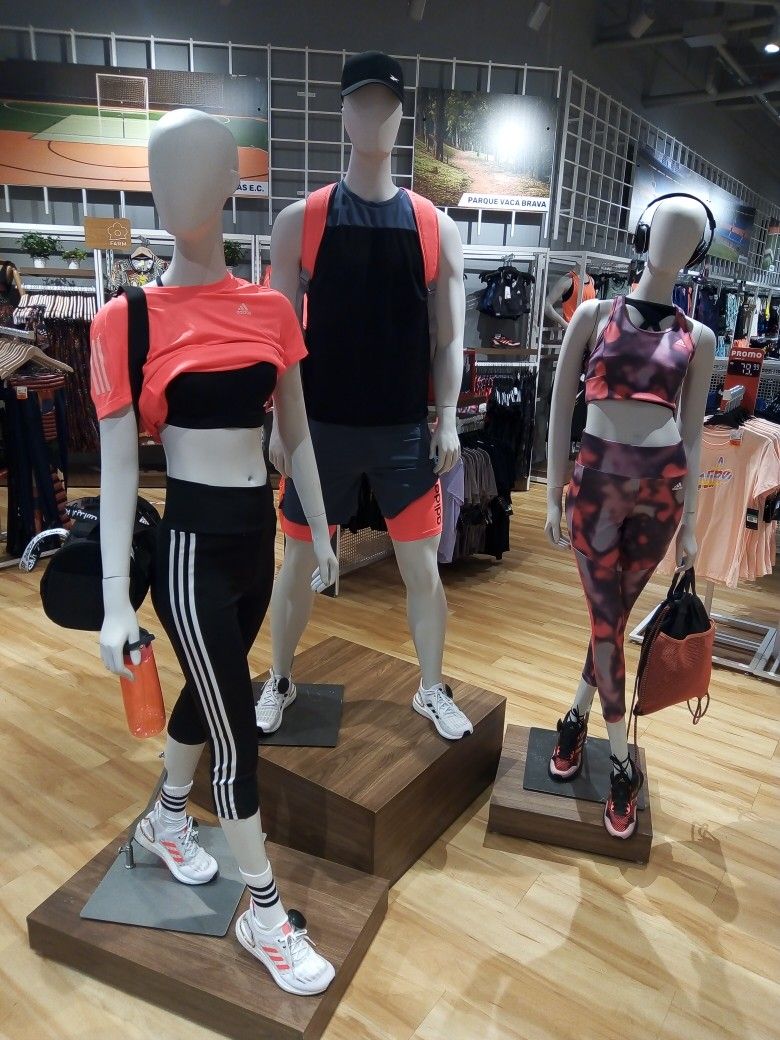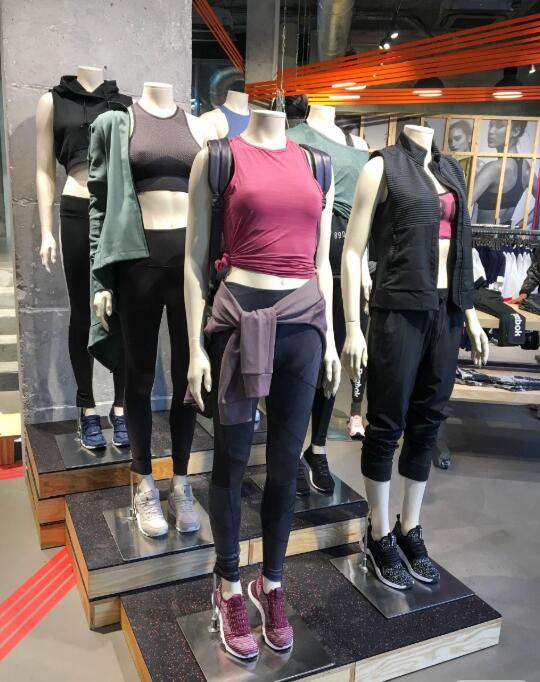

The mannequin industry stands at a critical environmental crossroads. For decades, the production of millions of Female mannequin, Male mannequin, and Child mannequins annually has relied on energy-intensive, non-biodegradable materials like fiberglass and PVC, creating a persistent waste legacy. However, a transformative shift is underway. The urgent need for sustainability is driving radical innovation in material science, promising to redefine the very substance of display forms—from classic retail figures to specialized sports mannequins and athletic mannequin models—and chart a course toward a circular, responsible future.
The Unsustainable Legacy: A Wake-Up Call
The environmental cost of traditional manufacturing is staggering. Producing 50-80 million mannequins globally each year, over 90% from virgin plastics, represents a massive carbon footprint. These materials behave like environmental "taotie," consuming vast energy to create and persisting as landfill waste for centuries, leaching toxins as they slowly break down. This linear "take-make-dispose" model is ecologically untenable, making the adoption of green alternatives not a trend but an industry imperative for survival and social license.
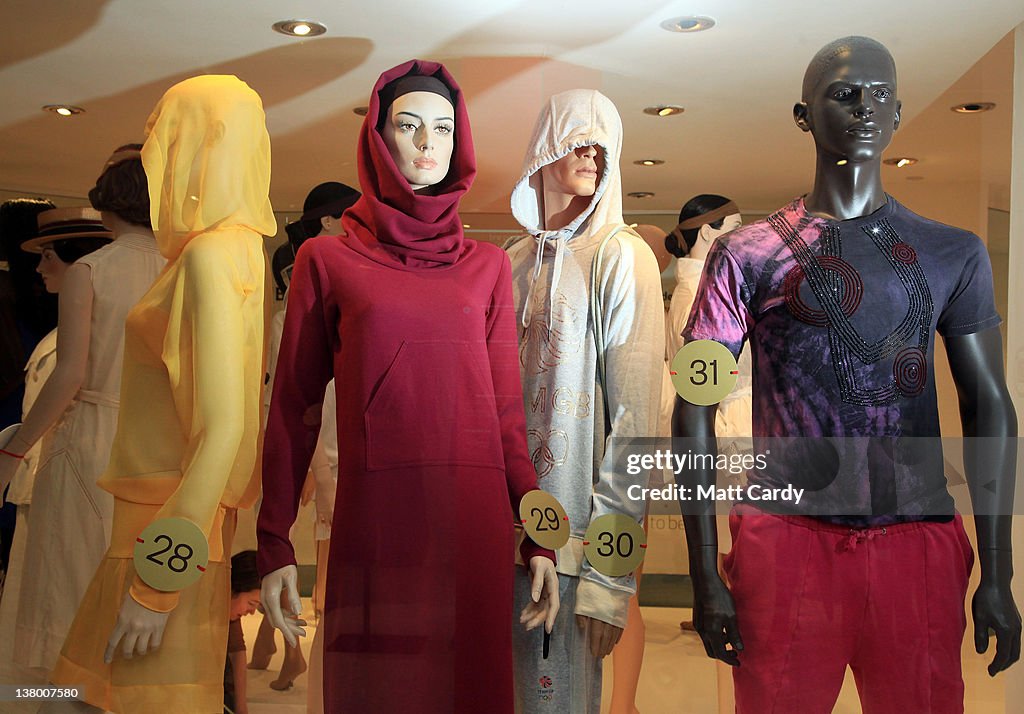
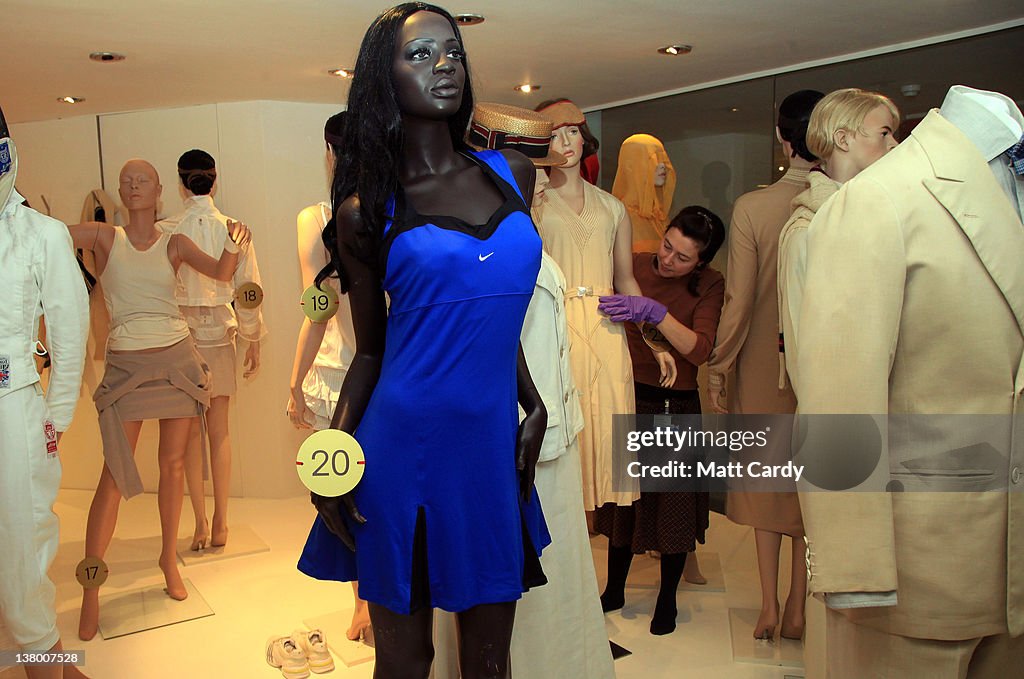
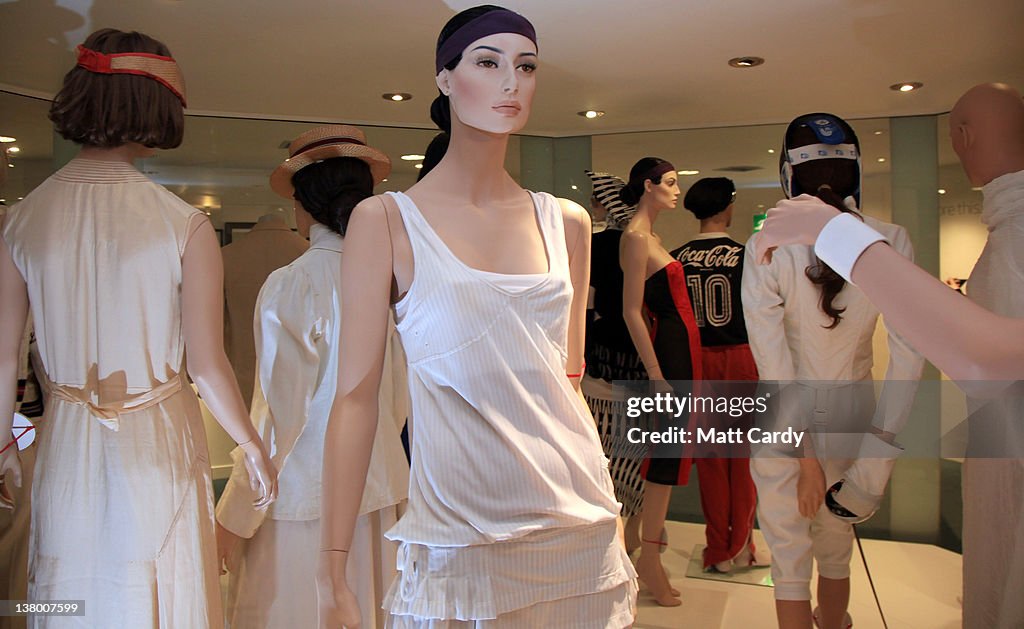
The Green Blueprint: Materials Reimagined
The future lies in bio-innovation and circular design. Pioneering materials are poised to revolutionize the field:
Bio-Fabricated Forms: Imagine sports mannequins grown from fungal mycelium, offering a leather-like texture that is both lightweight for dynamic poses and fully compostable at end-of-life. Or consider mannequin armatures crafted from bagasse or bamboo composites reinforced with bio-resin, providing a strong, low-pollution "green skeleton."
The Circular Model: Advanced recycling closes the loop. Post-consumer plastic can be reformed into pellets for manufacturing new Male mannequin or Female mannequin forms. More radically, broken mannequins can be collected, shredded, and fed into 3D printers to create new display pieces, achieving a "zero-waste cycle" that perpetually revalues materials.
Navigating the Green Transition: Challenges on the Path
This evolution faces significant hurdles. Currently, eco-materials can carry a 30-50% cost premium, a substantial barrier for widespread adoption across all product lines, from budget Child mannequins to premium athletic mannequin displays. Technical challenges also persist; some bio-materials are sensitive to humidity and temperature, risking deformation or mold—a critical issue for maintaining the pristine appearance required in retail. Overcoming these obstacles requires continued R&D investment and scalable production methods.
The 2030 Vision: A Regenerative Display Ecosystem
By 2030, we anticipate a major industry inflection point. It is projected that over 60% of new mannequins will utilize sustainable materials. Regulatory tailwinds in developed markets may mandate sustainable sourcing, accelerating change. We will see:
Performance-Driven Sustainability: Athletic mannequin and sports mannequins will be crafted from high-performance recycled polymers or plant-based composites, proving that eco-materials can meet the demands of dynamic display.
Inclusive Green Design: Sustainable Child mannequins and diverse Female mannequin/Male mannequin lines will become the norm, ensuring inclusivity extends to environmental responsibility.
Living Displays: The ultimate frontier may be "grown mannequins"—living plant structures trained into forms—blurring the line between display and organic art, offering unprecedented visual impact and a powerful statement on regenerative design.
The journey toward sustainable mannequins is a complex but necessary recalibration of the entire industry value chain. It moves the conversation from mere aesthetics to one of ethics and legacy. By embracing bio-materials, circular economics, and innovative design, the industry can transform Female mannequin, Male mannequin, and Child mannequins from potential environmental liabilities into ambassadors for a greener future. This transformation ensures that the forms showcasing fashion will themselves embody the most important trend of all: a fundamental respect for our planet.