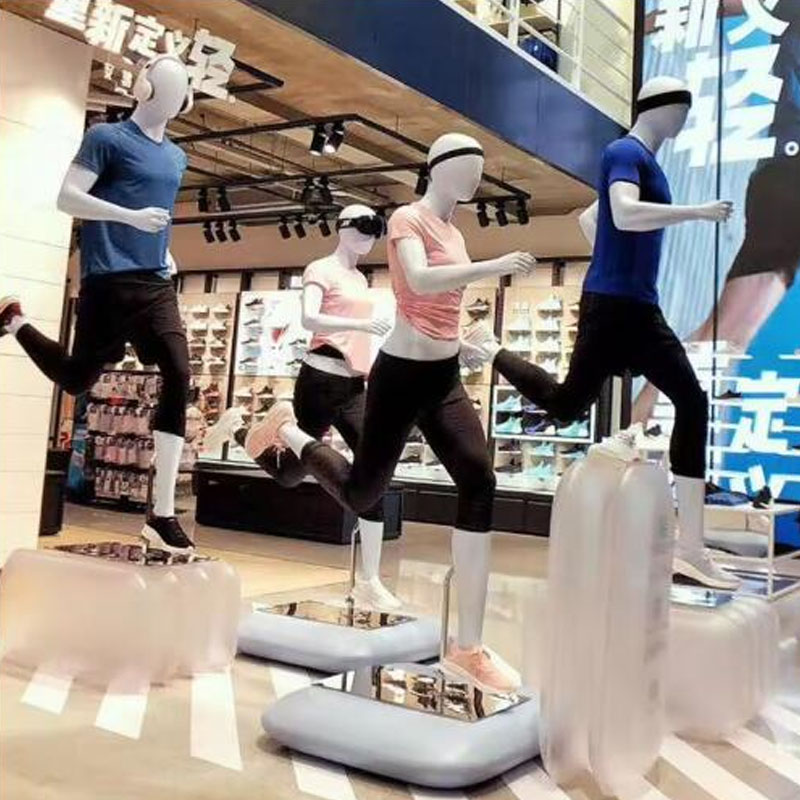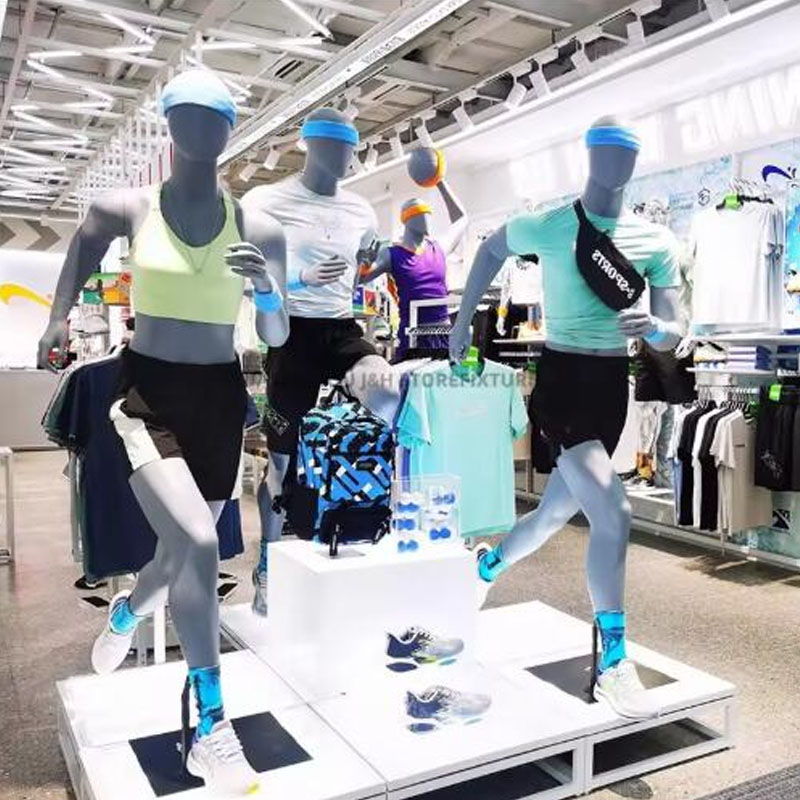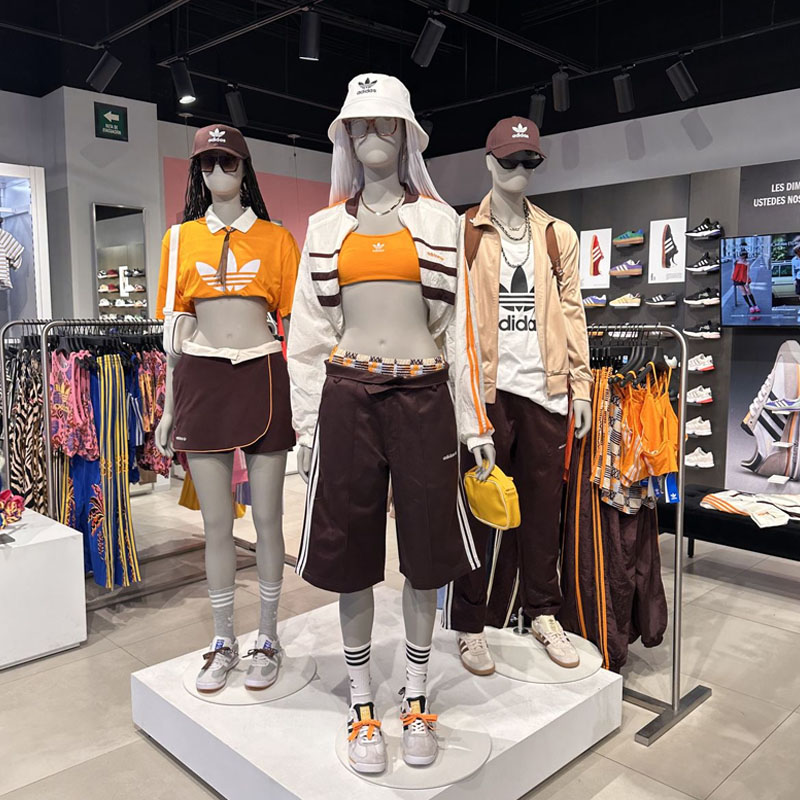

The sight of a lifelike Female mannequin in a store window, wearing the season's latest styles, sparks instant imagination. Yet, a curious contradiction arises: these full-scale figures, built to precise human proportions, are surprisingly light to lift. This apparent paradox is solved by understanding the sophisticated, hollow-shell manufacturing process that creates not only standard mannequins but also specialized forms like sports mannequins, athletic mannequin displays, Child mannequins, and Male mannequin figures. It is a meticulous craft that marries artistic sculpting with advanced material science to produce durable, realistic, and versatile display tools.
1: The Anatomical Blueprint – Sculpting and Armature
The journey begins with artistry and engineering, defining the form that will later become hollow.
Defining the Pose and Proportion: Whether for a classic Female mannequin, a powerful Male mannequin, or a dynamic athletic mannequin, the process starts with a clay sculpture. Master sculptors shape the clay over a custom-made metal armature—an internal skeleton—that dictates the exact posture, from a simple stand to a complex mannequin sitting crossed legs. This armature is crucial for stability and for creating the unique poses required for sports mannequins or playful Child mannequins.
2: Master Mold Creation – Capturing the Negative
To reproduce the unique clay sculpture, a precise master mold is made.
Strategic Segmentation: The clay form is carefully divided into sections (torso, limbs, head) using thin metal shims. This allows for the creation of manageable, multi-part molds and enables modular production for items like adjustable arms or separate male mannequin upper body displays.
Creating the Shell Mold: A layer of plaster is applied over each segmented clay section to create a perfect negative impression. This plaster "mother mold" is then reinforced with a strong fiberglass jacket. Once set, the clay is removed, leaving behind a detailed, hollow cavity that is an exact inverse of the original sculpture.
3: Hollow Shell Production – The Secret of Lightness
This is where the mannequin becomes lightweight. The mold is now used to create the final product.
Laminating the Fiberglass Shell: Inside the clean mold, technicians layer fiberglass matting saturated with resin. This is built up, layer by layer, to form a strong, rigid, yet remarkably thin and hollow shell. This process is universal, creating the lightweight body of a Female mannequin, the durable form of a sports mannequins, and the safe, resilient shell of a Child mannequins.
Demolding and Refinement: Once cured, the individual fiberglass parts are removed from the molds. The seams where the mold pieces met are meticulously sanded away until the surface is flawlessly smooth, preparing the shell for finishing.
4: Assembly and Finishing – From Parts to Persona
The separate components are united and given their final appearance.
Assembly: The sanded parts—arms, legs, torso—are assembled, often using secure interlocking joints or internal connectors. For posable mannequins, joints are integrated at this stage.
Priming and Painting: The assembled shell is primed and then spray-painted. While classic white is common for its neutrality, custom colors and finishes are applied based on the brand's needs—from realistic skin tones for a Male mannequin to specific hues for thematic displays.
The creation of a modern mannequin is a masterful illusion. It transforms a heavy armature and clay into a hollow, lightweight fiberglass form that perfectly mimics the weight and presence of a human body. This intricate process, from initial armature to final paint, explains how a life size female mannequin can be both astonishingly realistic and easy to handle. It is this blend of sculpture and industry that allows HEXING DISPLAY to produce the entire spectrum of display solutions—from elegant Female mannequin and Male mannequin lines to specialized athletic mannequin and Child mannequins—ensuring they are not only beautiful and effective but also practical and enduring assets for the global retail industry.