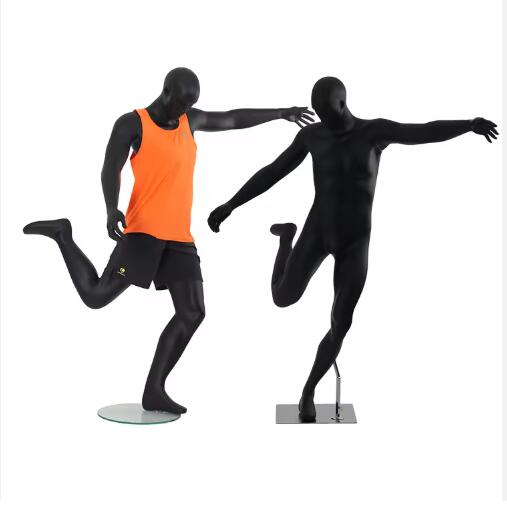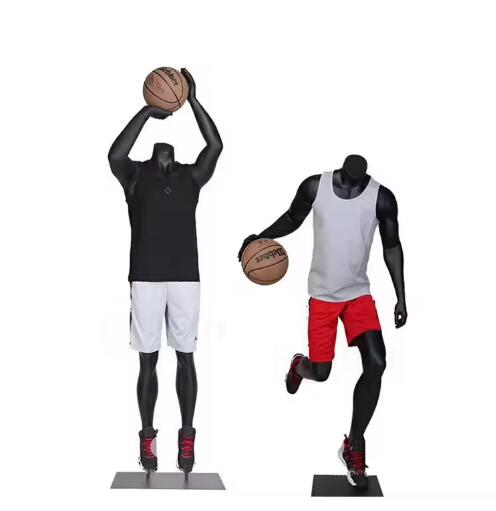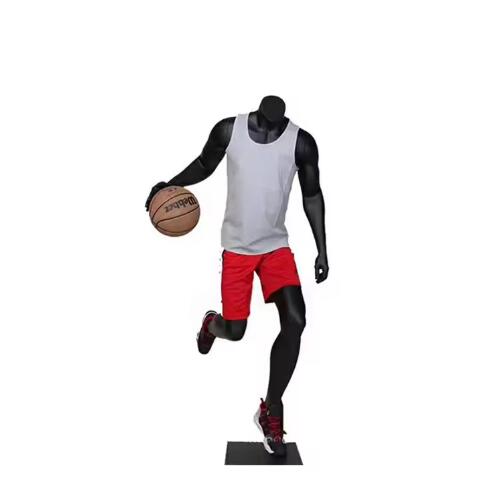

In fashion design and visual merchandising, the ability to sketch a compelling figure is foundational. While learning to draw a classic seated female mannequin or a standing Female mannequin is a common starting point, this artistic exercise builds a critical understanding of form, proportion, and posture that directly translates to designing for a diverse range of display models. Mastering this skill provides invaluable insight applicable to sketching dynamic sports mannequins, conceptualizing an athletic mannequin, developing poses for Child mannequins, and even structuring the authoritative form of a Male mannequin. It's a practice that bridges artistic vision and commercial application.
1: Foundational Structure – The Architecture of the Pose
Every successful sketch begins with a confident, proportional armature.
Establishing the Gesture: Start with a light, fluid "gesture line" that captures the action line of the figure's spine and the tilt of the pelvis. This is crucial for conveying energy, whether it's the relaxed elegance of a seated female mannequin or the explosive motion of a sports mannequins in a running pose. This step defines the narrative before any detail is added.
Blocking in Proportional Volumes: Using simple shapes (ovals for the head and ribcage, cylinders for limbs), block in the figure's basic proportions. Remember that proportions differ: a Female mannequin typically has different shoulder-to-hip ratios than a Male mannequin, and a Child mannequins requires a larger head-to-body ratio. This stage is about accurate architectural placement.
2: Defining Form and Silhouette – From Shapes to Body
With the armature set, refine the shapes into a recognizable human form.
Contouring the Body: Begin to connect and contour the blocked shapes, creating the silhouette. For a Female mannequin, focus on softer, flowing lines that define the waist, hips, and limbs. For an athletic mannequin, emphasize the defined muscular groups like deltoids and quadriceps. This is where the figure's character—be it elegant, powerful, or playful—starts to emerge.
Precision in Posture: Pay meticulous attention to how weight is distributed and how joints articulate. The angle of a bent knee on a seated figure or the forward lean of a sports mannequins must be anatomically believable to feel dynamic and stable.
3: Detailing and Differentiation – Material and Purpose
Details communicate the mannequin's type and function, moving the sketch from a generic figure to a specific display tool.
Surface and Joint Detailing: A standard plastic female full body mannequin might be rendered with smooth, seamless surfaces and subtle joint lines. In contrast, a technical athletic mannequin sketch might include defined muscular striations and visible articulation points at the joints.
Contextual Cues: Add subtle cues that hint at the mannequin's role. A dummy for ladies suits would be sketched with strong, squared shoulders to properly display tailoring. Sketching a Child mannequins might involve softer features and a more playful posture.
4: Rendering for Realism – Light, Shadow, and Presentation
The final phase brings the drawing to life and communicates its three-dimensional quality.
Applying Light Logic: Determine a single light source. Apply consistent highlights to the planes facing the light and cast shadows on the opposite sides. This is especially important for showing the rounded volumes of a Female mannequin or the hard muscle planes of a Male mannequin.
Final Lines and Clean-Up: Reinforce the definitive outlines of the figure with a confident, clean line. Erase the initial construction lines to present a polished, professional sketch that clearly communicates the intended mannequin design.
Learning to draw a mannequin is not merely an artistic task; it is a strategic exercise in understanding the mannequin as a functional design. By practicing the form of a Female mannequin, one gains the skills to conceptualize any figure in the display ecosystem—from the powerful stance of a Male mannequin to the energetic lines of sports mannequins. This proficiency allows designers, merchandisers, and manufacturers to visualize and communicate display concepts with clarity and precision, ensuring the final physical mannequin perfectly fulfills its role as a brand's silent ambassador.